
Tier 1 Miner
May 2024 - October 2025
Pilbara Region, WA
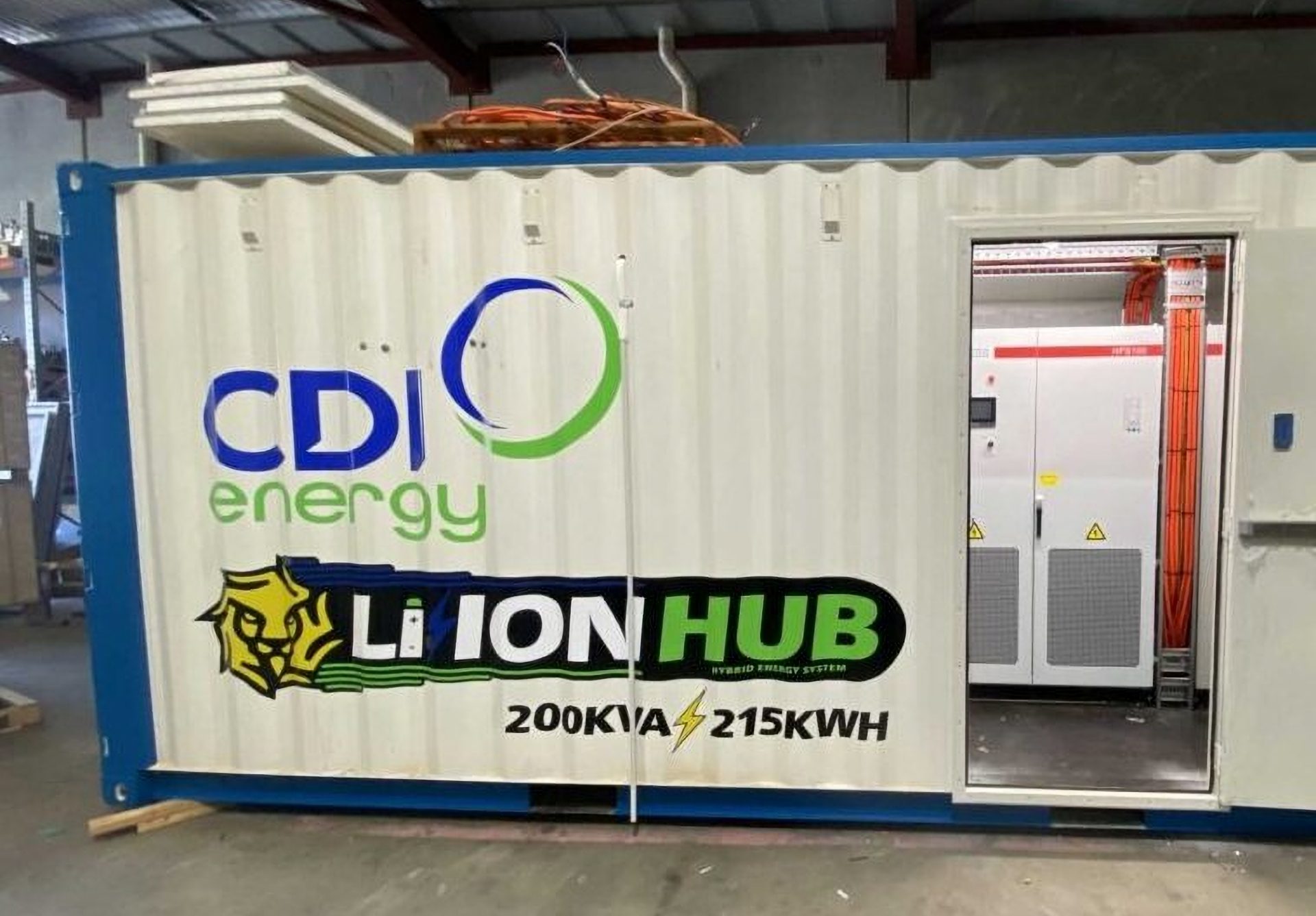
GTE’s client operates a rail network supported by distributed signalling and communications assets, many of them powered by standalone solar photovoltaic (PV) and battery energy storage systems (BESS). Across that asset base, installations varied in their AC and DC supplies, battery arrangements, solar arrays, UPS systems and protective devices.
GTE was engaged to develop a standardised engineering framework, supported by representative AC and DC arc flash assessments, asset classification, standard arc flash labels, a technical specification and operation and maintenance (O&M) requirements.
GTE Group developed a standardised engineering framework for the client’s standalone solar PV and BESS systems. Existing drawings and asset information were reviewed, representative AC and DC arc flash calculations were prepared, and worst-case typical installations were identified and grouped into defined assessment types. Results were consolidated into a summary tool and standard label drawings so they could be applied consistently in the field.
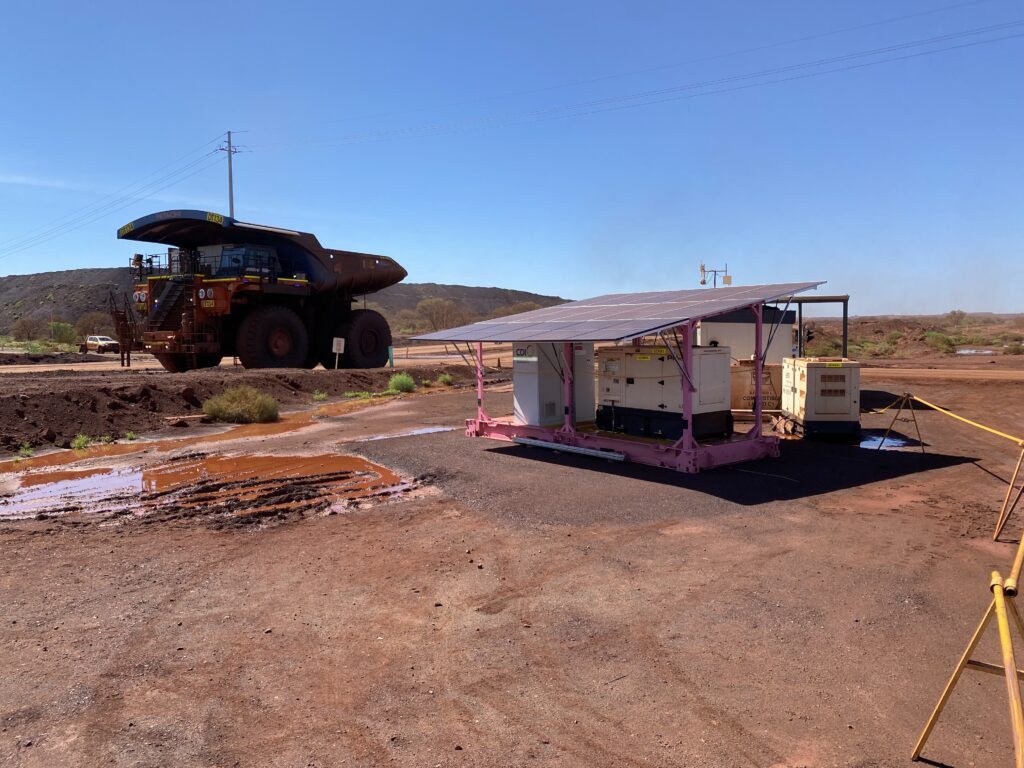
Our client can now identify the applicable hazard category and PPE requirements for similar assets without repeating a full calculation for every location. The reusable summary sheet also reduces the need to start from scratch when similar assets are added.
The classification is based on existing asset characteristics, and the specification and O&M procedure were built around the client’s existing standards. The summary tool is structured for expansion, so new locations can be classified against the established assessment types.
The primary outcome was improved electrical safety and consistency. Standard AC and DC labels now clearly communicate arc flash hazards and PPE requirements in the field, and assumptions and data limitations were stated openly in the calculations.
Our client now has a practical, repeatable system for managing arc flash hazards across its standalone solar PV and BESS assets, backed by a technical specification and O&M framework for future systems. Looking ahead, maintaining the asset summary as a controlled live register and updating the methodology as standards and client requirements evolve would keep the framework current, and more complete digital asset data would reduce the need for conservative assumptions. As Western Australia’s largest independent system integrator, GTE Group combines electrical engineering, control systems, communications and functional safety expertise with a client-first approach to turn detailed analysis into tools that work day to day.
If you’re ready to hear more about how we can help your business operate safely and sustainably, get in touch with us today.
1300 921 590
admin@gtegroup.com.au
Level 2
109 St Georges Terrace
Perth, WA, 6000
Australia
PO Box 7099
Cloisters Arcade
Western Australia, 6850
Experience efficiency, reliability, and innovation with our expert engineering solutions.
Let’s take your operations to the next level—contact us today!
At GTE we transform complex engineering challenges into seamless solutions for your peace of mind.
© 2026 GTE Group Pty Ltd | All Rights Reserved | Powered by Design Studio Perth